The Venue
The Cabins at Historic Columbine still stand largely as they did a century ago. But the first year Sage and Johnny visited, the entire town nearly burned down.
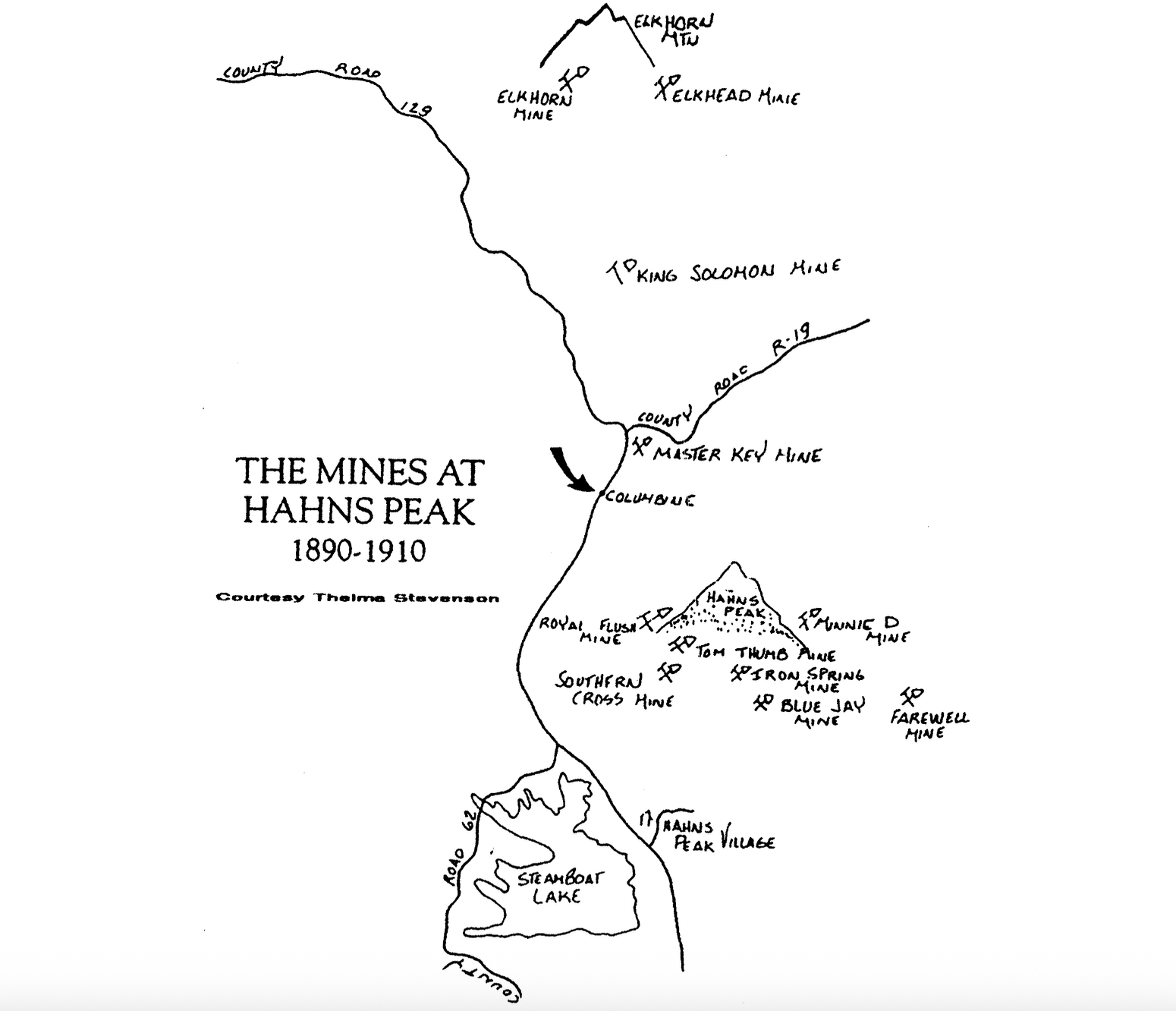
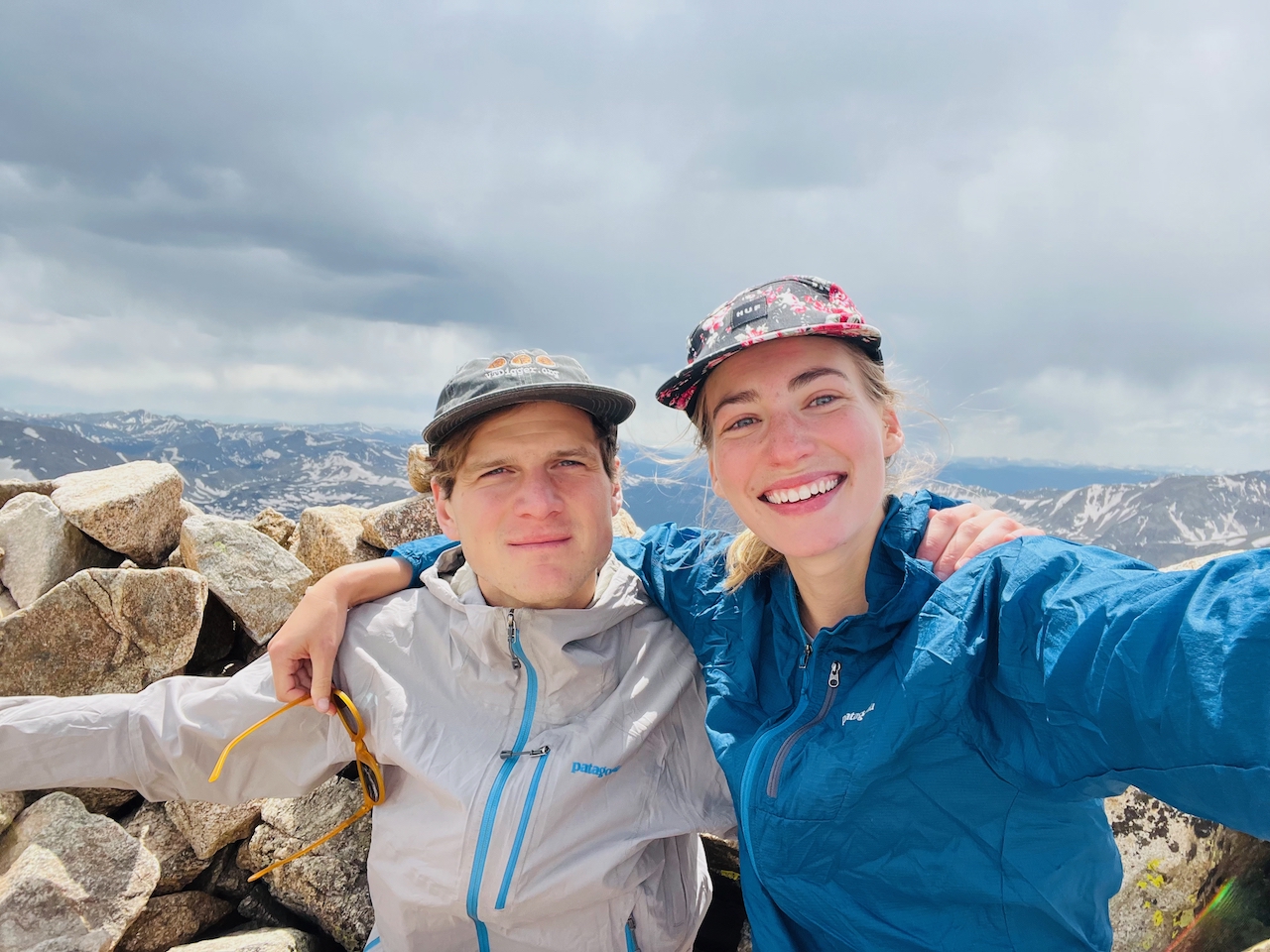
Columbine sits at the head of a valley drainage in the Yampa River watershed of northwestern Colorado. The Yampa takes its name from a Ute word for an edible root that grew along the riverbanks. For centuries, Ute tribes migrated to the valley during warmer months for elk, deer and bison. In the 1880s, the U.S. government forced the tribes from the area to reservations in Utah and southern Colorado. Around that same time, Columbine was settled. It started as a camp to house miners digging for gold and silver at nearby Hahns Peak. It was formally platted as a town in 1896. Its population peaked at 68 in 1900, according to a 2007 National Register of Historic Places nomination for the property. At its busiest, the town had a general store and post office, a saloon, hotels and boarding houses, a blacksmith shop, mining company offices and a scattering of cabins. The people passing through were miners, loggers, freight drivers, cattlemen and sheepherders. When mining declined, hunters and fishermen took their place. Today, Columbine is best known as the place where Sage and Johnny spend a long weekend every winter. Their first year, they stayed in Baker Cabin. On that first snowy night, the lights started to flicker. An electrical fire ignited. It nearly burned the cabin — and possibly the whole town — to the ground. They survived. So did the cabin. They return every year to shovel snow, split wood, marvel at the Christmas lights, and walk barefoot on the bathroom's heated floors.